On TED: What is your Time really worth?

If you think that money cannot by happiness, you´re probably wrong. Science shows that money can indeed buy happiness if you spend it on the right things (which mostly aren’t things at all…)

You can learn all about it via these two TED talks. Elizabeth Dunn is a professor in the Department of Psychology at the University of British Columbia. Michael Norton is the Harold M. Brierley Professor of Business Administration at the Harvard Business School. Together, both researchers have published the book Happy Money: The Science of Smarter Spending.

Elisabeth Dunn´s talk will also be posted as No. 47 on my topical list of Positive Psychology-infused TED talks, Michael Norton´s is already there.

33 ½ Science-backed Methods to Boost Your Mood and Be Happier | Part I

Want to lead a happier life in 2016 (and beyond)?

This list includes valuable tips, exercises and “hacks” to be happier and lead a more meaningful life. All of these recommendations are backed by psychological science. In case you are interested to learn more, I´ve included links to some research articles that have examined the corresponding topic. No. 12 – 22 can be found here, No. 23 – 33 ½ will be published shortly. The pieces of advice are ordered (roughly) by difficulty/level of effort etc. Share and enjoy!

1) Smile, Baby

Conventional wisdom holds that people tend to smile because they are happy. And while that is certainly true, it turns out that the other way around makes sense as well. We get happier because we smile. This is called facial feedback hypothesis and it has been shown to hold true over many studies. Accordingly, one way to better our mood is to make ourselves smile – even if we don´t feel like it in that particular moment. A popular method in order to achieve this is to hold a pencil between your teeth for a minute or so.

2) Eat (dark) Chocolate

Consuming moderate amounts of chocolate, especially the darker, less sugary type, has been shown to improve peoples´ mood. Whether this is just a consequence of the pleasurable eating experience, or caused by specific psycho-active ingredients in the cocoa, is still under debate. It works, anyway. But don´t overdo it. You know what I mean…

3) Please don’t stop the Music

Listening to happy and/or you favorite music is associated with elevated mood. It seems that there´s music that has a general happiness-inducing quality (e.g., Happy by Pharrell Williams) but otherwise, it´s more important that you really, really like what you´re listening to. By way of example, I´m really into heavy metal – a type of music that was once seen as fostering aggression and antisocial behavior. In the meantime, it became clear, that the emotional consequences of listening to music should be attributed to the fit between music and listener.

Nico - Family - Mappalicious4) Catch the Sun

Low levels of Vitamin D seem to be associated with depressive disorders, especially S.A.D. (seasonal affective disorder a.k.a. winter blues) – and it´s comparably difficult to generate enough intake just from food. Our body is able generate this vitamin, but we need exposure to sunlight in order to pull off that stunt. That´s why we need to go out regularly, even when the weather is not all that great. You don’t need to take an actual sunbath – just being outside is enough (even when it´s cloudy), especially around noon-time. Sitting in the sunlight inside of the house does not help. What´s more, sunscreen seems to inhibit the process that generates the vitamin. For more advice, please see this article on Psychology Today.

5) Go green

Paying heed to No. 4 will additionally help you with this one: the so-called biophilia hypothesis states (among other things) that spending time in green environments (parks, forests etc.) helps to fight off stress and boosts our mood. Basically, the equation goes: the greener, the better, so you´ll profit more from a stroll in a nearby forest than a walk in the park. Long-term studies have found that moving from an inner-city area (lots of concrete, few greens spots) to a more rural area is greatly beneficial for several aspects of our psychological and physiological health.

6) Shake that Booty

Now, I´m perfectly aware of the fact that dancing may not be the most favorite subject among lots of my fellow men. Actually, psychologists have described a specific facet of our personality by the name of dance confidence – and that tends to be a bit lower with the not-so-fair sex. Nevertheless, regular dancing – even when you do it on your own in your living room – has tons of positive side effects, e.g., lifting your mood, boosting your immune system, and fighting stress by decreasing the concentration of cortisol in your blood.

7) Hit the Pillow

It is known that people need different amounts of sleep, and that the need for sleep changes over our lifetime (generally becoming less the older we get). And yes, there are people out there that claim to get along with just four hours of sleep per night. But the truth is: those folks are probably killing themselves very slowly. Most “normal” adults need at least seven to eight hours of good rest per night. Anything below that level for prolonged periods of time will very likely lead to performance problems (e.g., concentration disorders) – and yes: bad moods.

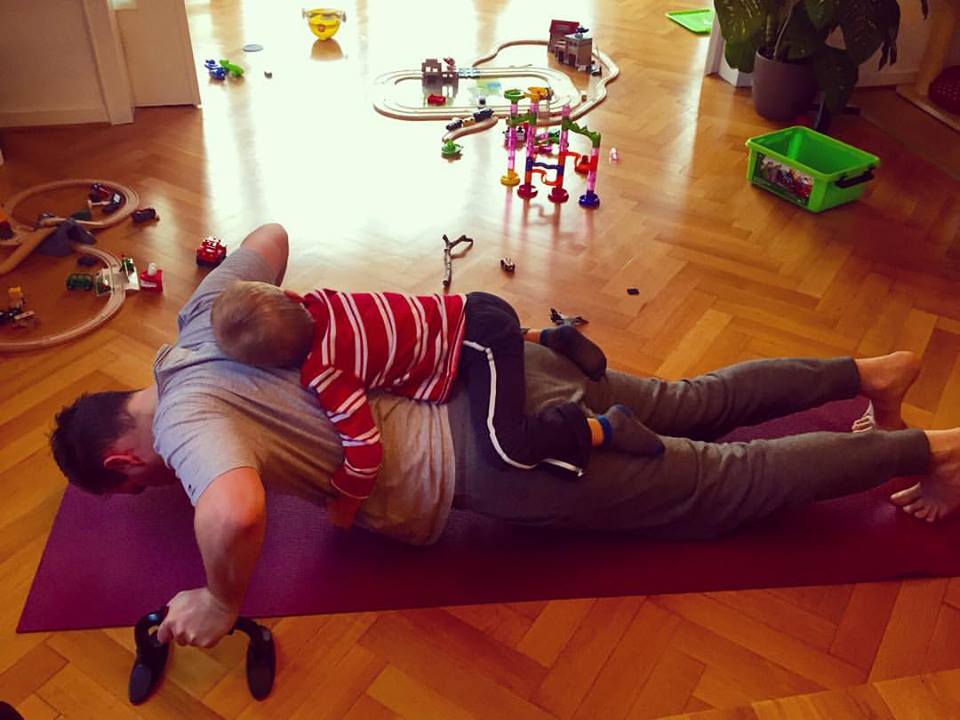
Nico - Workout - Mappalicious8) Move your Ass

Most people start exercise regimens at the onset of a new year to lose some pounds in order to look better in their Speedos once summer comes along. As less known fact: regular physical activity, especially endurance exercises like jogging, swimming etc. at medium intensity might just be one of the strongest anti-depressants out there.

9) Put down that Smartphone

Now, I certainly don´t belong to the type of people that engage in simple-minded smartphone (and social media) bashing – but: there are more and more studies that show detrimental effects of too much smartphone use. Especially among heavy users, there seem to be several adverse effects such as concentrations disorders – and also, a kind of separation anxiety when not having access to one´s favorite toy, e.g. due to low battery. Bottom line: the tool is fine, but don’t get attached to it.

10) Don’t be a Hater, stop the Gossip

Research shows the more meaningful conversations you have (as opposed to small talk and gossip), the happier you will be. Additionally, certain types of expressions on social media, such as swearing and verbalizing aggression, seem to be associated with bad moods and even adverse health conditions, e.g., a higher risk rate for cardio-vascular diseases. So, watch your language, young ladies and gentlemen.

11) Practice Gratitude

Cultivating gratitude seems to be the Swiss Army knife of Positive Psychology. It´s one of the most thoroughly researched positive interventions. Mostly, it comes in the form of keeping a gratitude (or: www for “what went well”) journal; please see this post on Greater Good Science Center´s website for more detail). The power of gratitude lies in its ability to counter the effect of what psychologist like to call the hedonic treadmill. We get used to almost all circumstances and things in our lives, whether they be desirable or undesirable. That´s why it´s helpful to actively focus our attention on all the good things in our lives once in a while. Also, it doesn’t cost thing.

Please note

Science shows that you do not have to practice all of these things (at once) to be happier. Rather, you should find out which of these activities best fit your personality and current way of life – so you´ll find it easy to sustain them. Please refer to: To each his own well-being boosting intervention: using preference to guide selection.

The Anatomy of Mappalicious – 2015

I’ve already posted an article listing the 10 most-read pieces on Mappalicious for 2015. On that note, I’m happy to announce that I did reach my goal of getting +100,000 pages views for the year. 2016, I want to see at least 200,000. That’s a stretch goal, but who knows what will happen. 🙂

So, here are some further stats for 2015.

How did people land on my blog?

Who brought traffic to Mappalicious
Clearly, Facebook brought the most traffic, and I’m pretty sure that a big chunk of that came from the Positive Psychology group. I also would like to thank Seph Fontane Pennock of PositivePsychologyProgram.com for being the only referrer to make the top 10 that’s not a social media site or search engine.

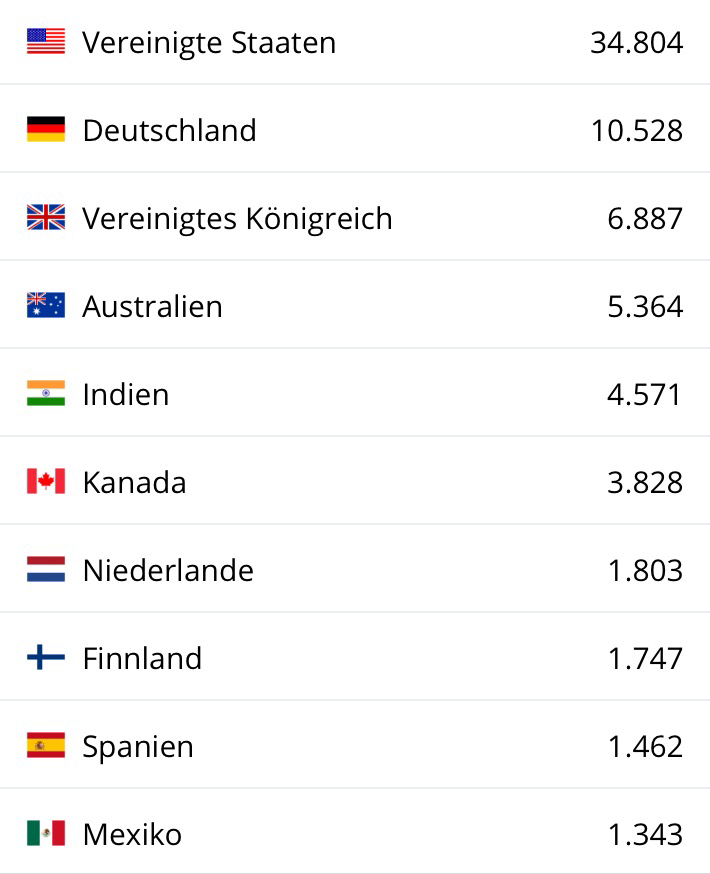
Where do my readers live?

Geography of Mappalicious readers
Most of my readers are from the USA, and additionally, some Commonwealth members make up big chunk (UK, Canada, Australia, India). Happy to see that my home country Germany made No. 2 even though the blog is written in a foreign language.

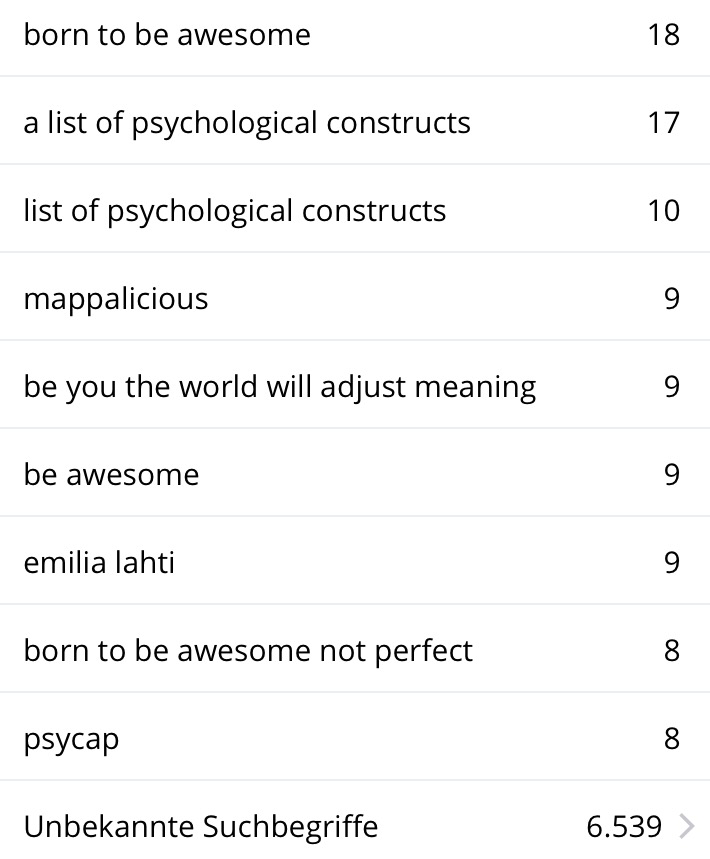
What keywords were my readers searching for?

Mappalicious search terms
Unfortunately, most search keywords are not disclosed. Other than that, one can see that a lot of people were looking for information on psychological constructs (hopefully, leading them to this page). Really happy to see Emilia Lahti, the Queen of Sisu, making this list.

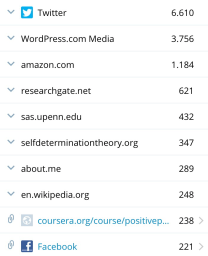
What did people do after visiting Mappalicious?

IMG_7880

Most people went to Twitter, probably because they had been reading this list of some 100 Positive Psychology profiles to follow. Robert Biswas-Diener, co-author of The Upside of Your Dark Side, got the most clicks. Additionally, a lot of people went straight to Amazon,* hopefully buying tons of books. These three books received the most clicks:

*Note to myself: sign up with Amazon´s affiliate system…

What makes a Good Life? Lessons from the longest Study on Happiness

Robert Waldinger is a Clinical Professor of Psychiatry at Harvard Medical School and the current Director of the Harvard Study of Adult Development (part of that is the so-called Harvard Grant Study; see this post for prior coverage on Mappalicious).  It is a 75-year longitudinal study of 268 physically- and mentally-healthy Harvard college sophomores from the classes of 1939–1944. It has run in tandem with second study called The Glueck Study, which included another cohort of 456 disadvantaged inner-city youths from Boston.

In his TEDx talk, Waldinger shares his most important takeaways from that study on what keeps people happy and healthy – and it shouldn´t surprise you all that much:

Other People Matter!


P.S.

This presentation will also be posted as No. 46 on my topical list of Positive Psychology-infused TED talks.

From Penn with Love: The 3 Positive Psychology-Infused Books you need to read in 2016

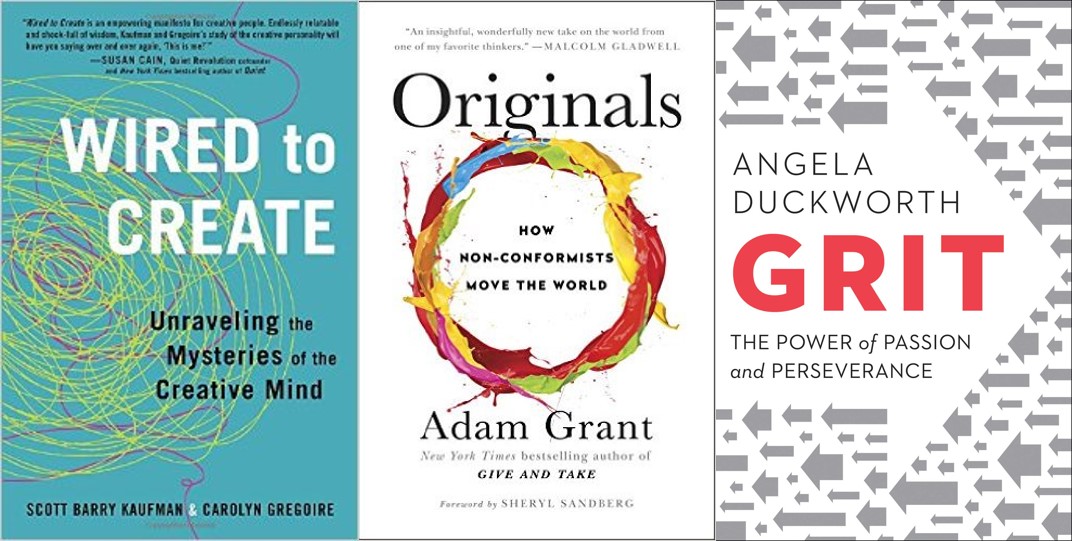
Nico Rose - Angela Duckworth - Adam Grant2016 is going to be a really nice year for non-fiction aficionados. Below, you´ll find three upcoming books that were all written by researchers from the University of Pennsylvania: Angela Duckworth, Adam Grant, and Scott Barry Kaufman.

Originals: How Non-Conformists Move the World

by Adam Grant will be out on February 2, 2016. About the content:

How can we originate new ideas, policies and practices without risking it all? Adam Grant shows how to improve the world by championing novel ideas and values that go against the grain, battling conformity, and bucking outdated traditions. Using surprising studies and stories spanning business, politics, sports, and entertainment, Grant explores how to recognize a good idea, speak up without getting silenced, build a coalition of allies, choose the right time to act, and manage fear and doubt. Parents will learn how to nurture originality in children, and leaders will discover how to fight groupthink to build cultures that welcome dissent.

Here´s what Malcolm Gladwell has to say about the book: “Reading Originals made me feel like I was seated across from Adam Grant at a dinner party, as one of my favorite thinkers thrilled me with his insights and his wonderfully new take on the world.”

Grit: The Power of Passion and Perseverance

by Angela Duckworth will be out on May 3, 2016. About the content:

Penn - Books - 2016Why do some people succeed and others fail? Sharing new insights from her landmark research on grit, MacArthur “genius” Angela Duckworth explains why talent is hardly a guarantor of success. Rather, other factors can be even more crucial such as identifying our passions and following through on our commitments. Drawing on her own powerful story as the daughter of a scientist who frequently bemoaned her lack of smarts, Duckworth describes her winding path through teaching, business consulting, and neuroscience, which led to the hypothesis that what really drives success is not “genius” but a special blend of passion and long-term perseverance. She takes readers into the field to visit teachers working in some of the toughest schools, cadets struggling through their first days at West Point, and young finalists in the National Spelling Bee. She also mines fascinating insights from history and shows what can be gleaned from modern experiments in peak performance.

This is what Arianna Huffington thinks about the book: “At a time when our collective notion of success has shrunk to the point of being unrecognizable, Angela Duckworth arrives to restore it. With a mix of masterful storytelling and the latest science, she shows that perseverance and passion matter at least as much as talent and intelligence. And far from simply urging us to work harder for the sake of working harder, Grit offers a truly sane perspective: that true success comes when we devote ourselves to endeavors that give us joy and purpose.”

Wired to Create: Unraveling the Mysteries of the Creative Mind

by Scott Barry Kaufman and Carolyn Gregoire will be out two days from now, on December 29, 2015. About the content:

The book offers a glimpse inside the “messy minds” of highly creative people. Revealing the latest findings in neuroscience and psychology, along with engaging examples of artists and innovators throughout history, the book shines a light on the practices and habits of mind that promote creative thinking. Kaufman and Gregoire untangle a series of paradoxes – like mindfulness and daydreaming, seriousness and play, openness and sensitivity, and solitude and collaboration – to show that it is by embracing our own contradictions that we are able to tap into our deepest creativity.

What Martin Seligman has to say about the book: “Scott Barry Kaufman has just written the go-to book on creativity and genius. With Carolyn Gregoire, he puts together the newest scientific findings from the brain, from mental life and from the messy world of emotion to whiz us to the cutting edge of the highest human accomplishments.”

The Flop 10 Positive Psychology Articles on Mappalicious for 2015

Two days ago, I posted a top 10 list of the most-read articles on Mappalicious for 2015. Just for fun, today I also had a look at those articles that attracted the smallest audiences. I´ve attended a seminar on improv comedy this year where I learned that “failure is sexy”. Therefore, the following ten posts made me a lot sexier.

But to be honest, once again, my readers are probably right. Most of the posts are short ones, e.g., a copy/paste of some adage or quote. Still, I find some pretty good stuff on that list, by way of example the piece on Twitter, or the one on callings. Enjoy!

Flop_10

Top 10 Positive Psychology Articles on Mappalicious for 2015

Here, you’ll find a list of the 10 most-read articles on Mappalicious for 2015. Actually, I’m pretty proud of this list – as most of the posts are those that also required the most effort to create them. With few exceptions, they are compilations of research papers, TED talks, and other useful information on Positive Psychology that took me hours and hours of searching databases. So basically, good choice, my cherished readers. Share and enjoy!

  1. Positive Psychology Articles – a topical Collection
  2. Positive Psychology People and Institutions to follow on Twitter
  3. 5 essential brand-new & upcoming Books on Positive Psychology
  4. 7 wonderful TED Talks related to Positive Psychology (Self-Motivation, Body Language, Positive Stress… and more)
  5. Do you know “Action for Happiness”? Well, you should!
  6. 7 Methods to find almost any (Positive Psychology) Research Paper on the Internet
  7. 22 Positive Psychology-infused Articles every (HR) Leader should know
  8. Positive Psychology Constructs
  9. Positive Psychology – a topical Collection of 45 TED Talks
  10. Study: Some Languages are Happier than others. Hint: German didn´t make No. 1

Top 10 Positive Psychology Articles on Mappalicious 

(Almost) everything you know about Happiness is wrong. Maybe…

LancetA recent study that was published in the prestigious medical journal The Lancet found that happiness (or unhappiness) does not affect our health and mortality (see The Atlantic or New York Times for coverage about the original piece). According to the NYT, the

“results come from the so-called Million Women Study, which recruited women ages 50 to 69 from 1996 to 2001, and tracked them with questionnaires and official records of deaths and hospital admissions. The questionnaires asked how often the women felt happy, in control, relaxed and stressed, and also instructed them to rate their health and list ailments like high blood pressure, diabetes, asthma, arthritis and depression or anxiety.”

The research article received a huge amount of attention as the results run counter to a large body of extant empirical evidence on the relationship of positive emotions and longevity (please see the paper Happy People Live Longer: Subjective Well-Being Contributes to Health and Longevity for an overview).

Accordingly, a reply to the Lancet article was written as an op-ed in the Los Angeles Times by Positive Psychologists Ed Diener, Sarah D. Pressman, and Sonja Lyubomirsky (Can 1 million women be wrong about happiness and health?). They provide several arguments on why the interpretation of the data about the happiness-health-relationship might be flawed.

For more detail, I urge you to read the L.A. Times article. Just my five cents: The participants were 59 years old on average when entering the study. So, whatever happened before that age was out of scope. Now, I´m not an expert on this – but I hypothesize that how happy you were in your 20s, 30s, 40s, and 50s might (strongly) affect how healthy you are in your 60s and beyond.

For that reason, even though the research is based on a truly large sample, I am not willing to follow the authors´ conclusion.

Where can I get a University Degree in Positive Psychology?

Nico Rose - Martin SeligmanIf you have been following Mappalicious in the past, you´ll know that I was part of the 9th cohort of the Master of Applied Positive Psychology Program (MAPP) at University of Pennsylvania. To my knowledge, this program has been the first to offer a full-blown master´s degree in this specific area of psychology. And I guess it is save to say that – to this date – it is also the most renowned one, being (in part) taught by Marty Seligman himself, together with some of his closest co-workers.

Ever since running this blog, people have approached me to get info on alternative educational opportunities in the field of Positive Psychology. Accordingly, below you´ll find a list of university-based programs that offer an “official” degree (such as a Master´s) in or closely related to Positive Psychology.

If you are interested in obtaining additional information on alternative learning opportunities, I highly encourage you to visit Seph Fontane Pennock´s site. There, you´ll find a multitude of other programs, such as summer schools, graduate courses, certificates offered by private institutions, and online courses.

Positive Psychology Programs

Master of Positive Psychology at Aarhus University, Denmark: The information given is available in Danish only.

MSc in Applied Positive Psychology at Anglia Ruskin University: You’ll be introduced to research and interventions around topics like positive and negative emotions, character strengths, motivation, resilience, creativity, wisdom and other conditions shown to make a difference to the lives of individuals, groups and organisations. You’ll constantly test your skills and apply them to real-life situations, coming to understand which tools and strategies to use in delivering meaningful, high-impact interventions. The course is taught in Cambridge and Paris. The program is offered as a full-time program (12-15 months); or part-time (28-33 months).

MSc in Applied Positive Psychology at Bucks New University, Buckinghamshire (UK): The course will be of interest to individuals in a range of professions and occupational roles that include (but not limited to): teachers, human resources, organizational development, coaches in different disciplines (such as management or sports), psychologists, psychotherapists, counselors, and medical professionals. It´s a full MSc and can completed part-time over two years, though you may choose to study over three years and devote your final year to your dissertation.

M.A. Positive Developmental Psychology/M.A. Positive Organizational Psychology at Claremont Graduate University, California: Claremont offers several concentrations focusing on Positive Psychology as part of their M.A. program in psychology. For more info, please follow the link.

MSc in Applied Positive Psychology & Coaching Psychology at University of East London: The program fully integrates positive psychology and coaching psychology to create an innovative training programme for those promoting wellbeing. From the point of view of positive psychology, the course will have a strong foundation in cutting-edge theory and research relating to wellbeing. The coaching element will feature advanced training in working with clients and groups in professional capacities. The program is offered as a full-time program in one year; or part-time in two years.

Executive Master in Positive Leadership and Strategy at Instituto de Empresa (IE), Madrid: This program is designed for experienced executives interested in achieving outstanding business results via the proven, hands-on methods of positive leadership. By gaining a deep understanding of the hard science of positive psychology and human behavior, participants learn how to optimize overall strategy and business functions, architect new work processes, and design organizational structures to achieve optimal performance in themselves and the people they lead. The program is offered part-time over 13 months.

Executive Master in Applied Positive Psychology at University of Lisbon: The information given is available in Portuguese only.

Master of Applied Positive Psychology at University of Melbourne: The program will equip you to apply positive psychology principles in your professional and personal life, with a special focus on creating and evaluating positive and meaningful change, and promoting optimal leadership within organizations. Learning and assessment will take place through a range of tasks, including debates, case studies, role plays, videos, journal entries and research activities. In addition, you will be encouraged to apply positive psychology principles to your own life and to critically reflect on these experiences. The program is offered as a full-time program (12 months); part-time options are available.

Master of Arts in Positive Psychology (MAPP) at North-West University, Potchefstroom, South Africa: I´m not sure if the program is still offered as the link seems to be broken.

Master of Applied Positive Psychology at University of Pennsylvania, Philadelphia: The original, so to speak. The program was the first in the world to offer a degree in this rigorous field of study. Dr. Martin Seligman, founder of the discipline of positive psychology, created the program to educate and train students at the cutting edge of the field. The program’s hybrid model allows you to explore the theory and practice of positive psychology without relocating to Philadelphia, so you can continue working full-time. The program consists of nine courses, completed during one year of full-time study.

Specialization in Positive Psychology & Technology as part of the MsC program in psychology at University of Twente (Netherlands): The information given is available in Dutch only.

Certificate of Advanced Studies in Positive Psychology at University of Zurich, Switzerland: The information given is available in German only.