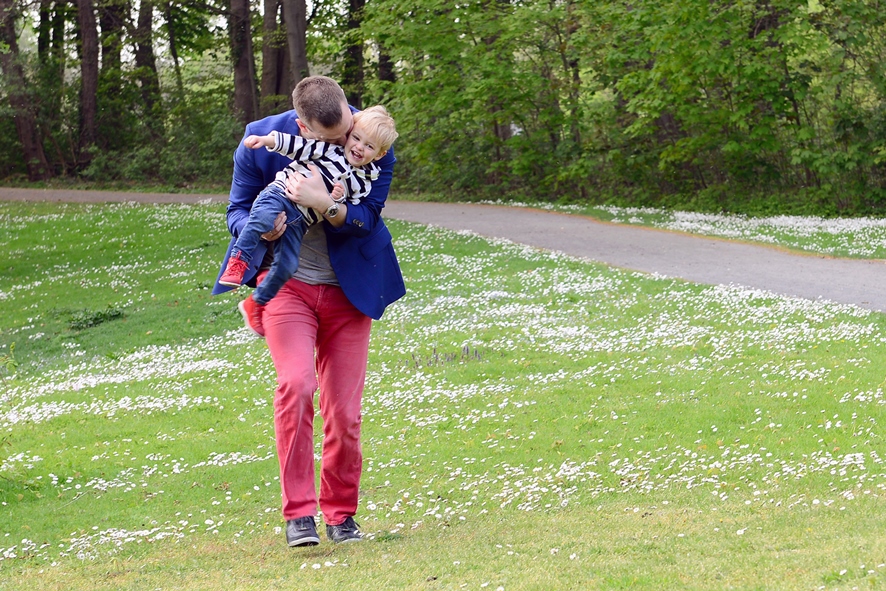
My favorite Subject in School? Happiness, of course!

If you are lucky, Positive Psychology will be coming to a school near you soon. Positive Education as part of Positive Psychology seems to be really taking off at this point in time. There is an early article by Seligman et al. (Positive education: positive psychology and classroom interventions) – but just recently, the International Positive Education Network (IPEN) was launched. According to its website, the goal of IPEN is

to bring together teachers, parents, academics, students, schools, colleges, universities, charities, companies and governments to promote positive education. Our goals are to support collaboration, change education practice and reform government policy.

On the question “Why Positive Education?” the website states:

Positive education challenges the current paradigm of education, which values academic attainment above all other goals. Drawing on classical ideals, we believe that the DNA of education is a double helix with intertwined strands of equal importance:
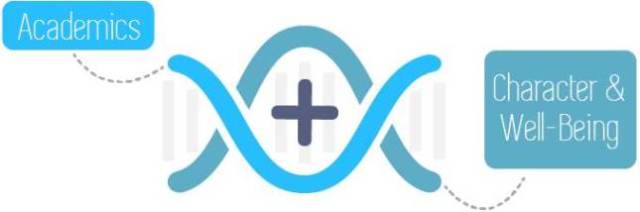
 

IPEN

  1. The fulfillment of intellectual potential through the learning of the best that has been thought and known.
  2. The development of character strengths and well-being, which are intrinsically valuable and contribute to a variety of positive life outcomes.

For quite a long time, Geelong Grammar School in Australia has been the hallmark of applied Positive Education. But more schools shall follow soon. Even in Germany – which typically does not pick up Positive Psychology topics that fast – has seen some Positive Education initiatives as early as 2007. We have a movement called Schulfach Glück (“School Subject Happiness”) which is backed by the “Fritz-Schubert-Institute”. They bring a positive curriculum especially to primary schools, helping teachers to teach topics to their classes such as joy and motivation, curiosity and courage, and mindfulness and respect.

By now, Fritz Schubert has authored three books on this initiative. The effectiveness of the program was recently evaluated in a study comparing classes who completed the curriculum to control groups. The treatment groups displayed higher subjective well-being and self-esteem at the end of the school year. The research article is written in German, but there´s an English abstract:

Applying a quasi-experimental pre-posttest design, we examined the effectiveness of a new teaching unit called school subject happiness. The investigation took place at two vocational schools that had established this subject in the school year 2010/11. Effects of one school year of instruction in the school subject happiness on students´ well-being, self-esteem, and self-efficacy are reported. In addition, a moderation effect of the personality traits emotional stability and extraversion was investigated. A total of 106 vocational school students who belonged either to the treatment or the control group participated in the study. At the beginning and at the end of the school year 2010/11, all students completed questionnaires. Beneficial effects were found for affective components of subjective well-being and self-esteem. Furthermore, the effects on self-esteem and cognitive components of well-being were moderated by emotional stability. Students who reported higher emotional stability benefited more from the new teaching unit. For self-efficacy no effect was found. The results are interpreted as partial effectiveness of the program.

New Article in Professional Magazine: Workplace Happiness and Job Crafting

Mach Dich zufriedenFor my German-speaking readers…

In the October issue of managerSeminare, Germany´s premier professional magazine for coaching and training, the lead article is concerned with workplace happiness and job satisfaction. I´ve been interviewed for that piece and was able to contribute some notions on job-crafting as theorized by MAPP lecturer Amy Wrzesniewski.

The print article lies behind a paywall but I might be able obtain a PDF to share in some weeks. In the meantime, you might want to listen to a podcast based on that article. This is available for free. Enjoy!

By the way: an article from spring 2014 in that same Magazine, which deals with a more general introduction to Positive Psychology, can be obtained for free here.


Positive Psychology 101: Some great Videos feat. Sonja Lyubomirsky

The first “real” Positive Psychology book that I got my hands on was the German version of the The How of Happiness by Sonja Lyubomirsky. It´s the one book that I still recommend to newbies when asked for a hands-on yet scientific source on the topic. Therefore, I was delighted to see that Sonja also has a lot of her stuff on Youtube. Below, you´ll find three of her short videos that were published by the Greater Good Science Center at Berkeley (and there´s more where this came from).

The first video explains the set-point theory of happiness that suggests only 10% of our happiness is determined by external circumstances (such as where we live, if we are married, rich or poor etc.), while 50% is determined by our genes – which leaves roughly 40% under our personal control, precisely: Intentional activities that have been shown to raise psychological well-being.

The second video builds on that last notion, saying that there are no shortcuts to happiness – that it takes work to be happy.

The last one talks of about the benefits (the side effects) of being happy, such as being healthier, more resilient, even potentially even more successful in a wide array of life domains.

Enjoy!


Does having a Child make us Happier or Unhappier? Or is that the wrong Question?

I´m pretty sure that all the parents among my readers will join into a roaring “HAPPIER!” when answering the first question in this post´s headline. Yet, it turns out that an unanimous scientific answer to that question is rather hard to find – as there´s a lot conflicting data out there.

There are papers that show well-being drops for both men and women when a first child comes into the house – and it typically does not rise that much until the children leave for college. Other researchers found that a first child markedly increases happiness, especially with the fathers, and the more so when it´s a boy. Then, there are papers that give the classic answer for lawyers (and psychologists as well): It depends. Or rather, there are upsides and downsides. E.g., mother are more stressed – but less depressed.

When there´s a lot conflicting research on a certain topic, it´s always a good thing to carry out a meta-analysis, which is a weighted integration of many studies on one area of inquiry. Such a meta-analysis has been done in 2004. Here´s the summary:

This meta-analysis finds that parents report lower marital satisfaction compared with nonparents (d=−.19, r=−.10). There is also a significant negative correlation between marital satisfaction and number of children (d=−.13, r=−.06). The difference in marital satisfaction is most pronounced among mothers of infants (38% of mothers of infants have high marital satisfaction, compared with 62% of childless women). For men, the effect remains similar across ages of children. The effect of parenthood on marital satisfaction is more negative among high socioeconomic groups, younger birth cohorts, and in more recent years. The data suggest that marital satisfaction decreases after the birth of a child due to role conflicts and restriction of freedom.

What they say is: On average, marital satisfaction drops slightly when a first child is born. The effect is stronger for women than for men, and the younger and richer the parents are. Parents struggle with stress due to role conflicts and a decrease in self-determination.

Are Children supposed to make us Happier?

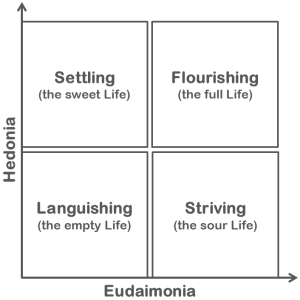
Eudaimonia - HedoniaBut maybe, asking about satisfaction and happiness is not the right question after all. Is it really the “job” of our children to make us happier and more satisfied as a parent? I don´t think so. When a child comes into your life, you lose tons of money, you lose tons of sleep (and that´s due to dirty diapers, not dirty sex…), and you have to carry out planning and preparations on a regular basis that in their complexity can be likened to the Normandy landing – just for going to the movies on a Friday night.
Having children does not make us happy all the time. Period.

Yet, we get something else, research suggests: Purpose. Meaning. Unconditional love (especially when you have some sort of food, that is…). Asking for satisfaction is looking at the wrong axis of the Eudaimonia-Hedonia-Grid depicted above.

Being a parent is not a “fun” job at times – especially for the mothers (given a more traditional role-taking). Remember that viral video about the toughest job in the world?

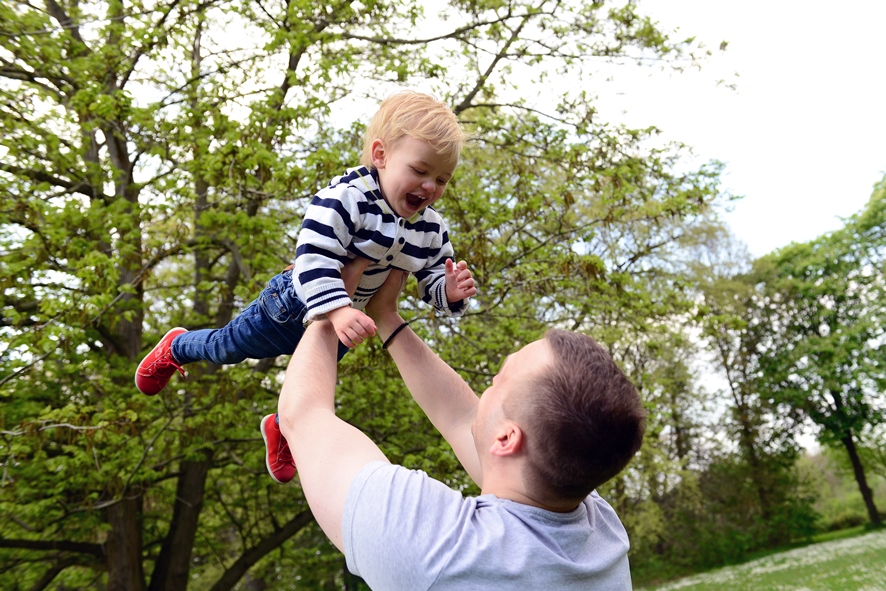
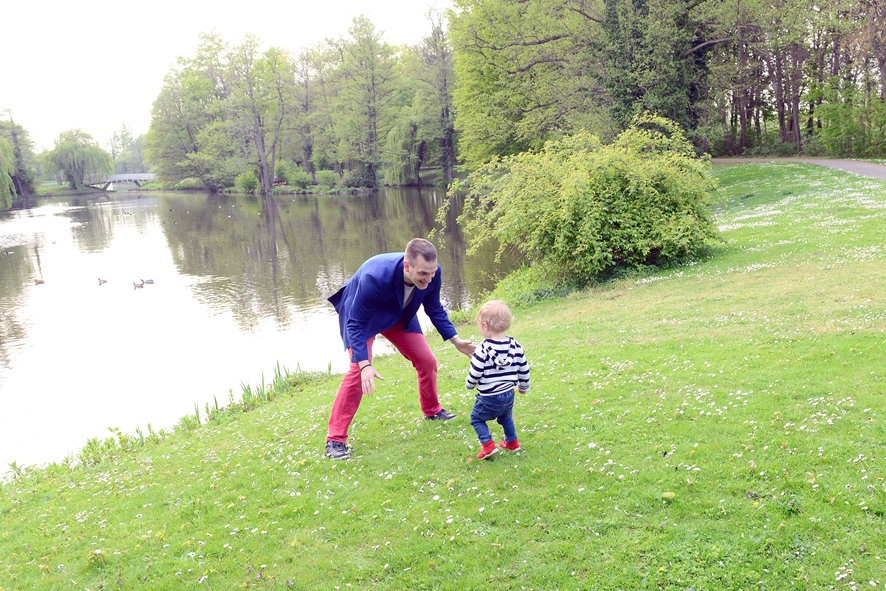
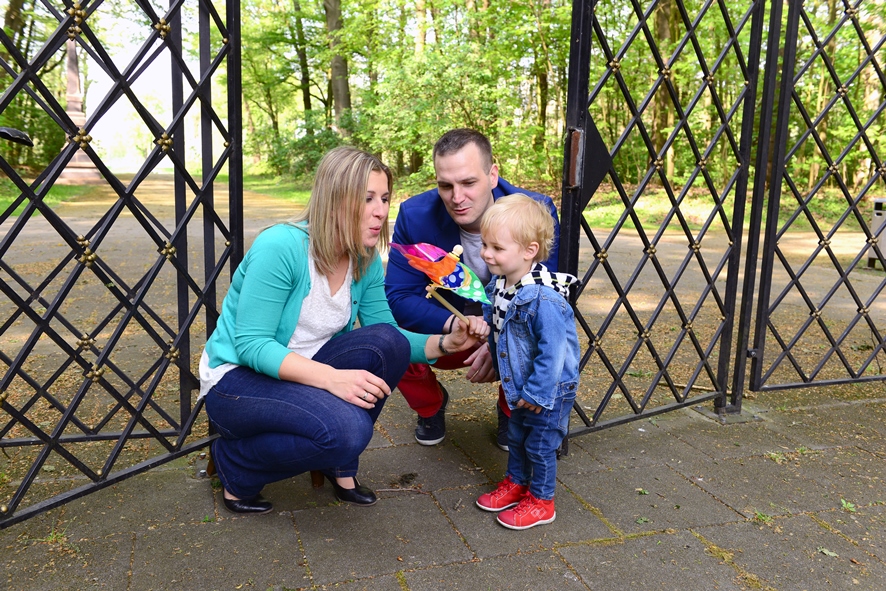
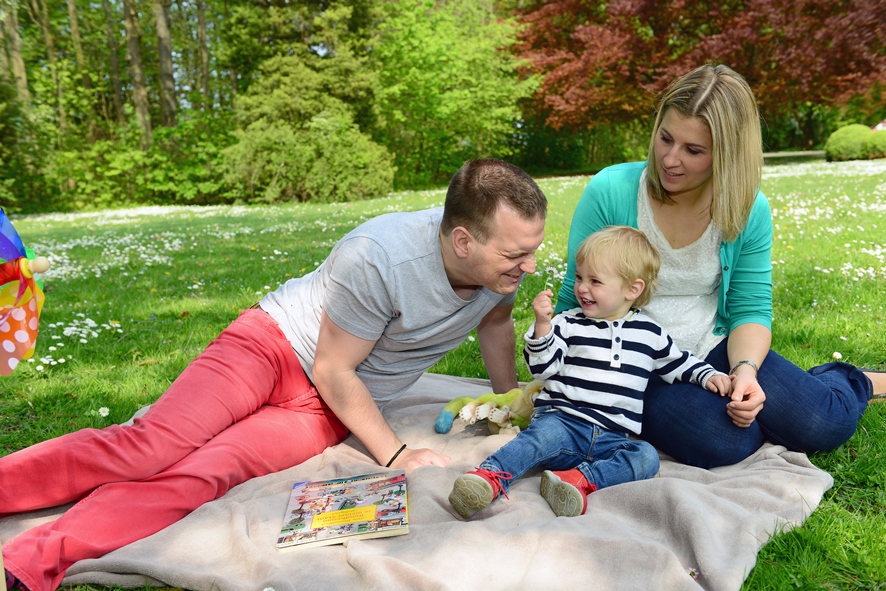
But then: it definitely can be a blast. When researchers see a lot of conflicting data, they sometimes turn to what in science lingo is called “anecdotal evidence”. They tell a story. Here´s a story about my family having fun in the park (Photos taken by Tina Halfmann).

Enjoy!

Family Rose

Rose Family

Rose Family

Rose Family

Rose Family

Rose Family

Rose Family

Rose Family

Rose Family

Family Rose

What is “Awe”? See Pharrell Williams being overwhelmed by the very own Happiness he brought to this World

Somewhere in an outlying district of our emotional continuum lies the emotion of awe. In one of the rare academic papers on that subject, researchers Dacher Keltner and Jonathan Haidt write: “Two appraisals are present in all clear cases of awe: perceived vastness and a need for accommodation, defined as an inability to assimilate an experience into current mental structures”.

I repeat: perceived vastness and the inability to assimilate an experience in to current mental structures.

I´m pretty sure this is just what happened to singer/producer Pharrell Williams when Oprah Winfrey showed him a montage of videos from all over the world that portrays people dancing to his tune – and just being happy.

Pharrell Crying Happy

Isn´t that great? Being touched by realizing how you´ve been able to touch millions and millions of lives? To quote my hero Esa Saarinen: Good job, Pharrell!

By the way: If you´re interested to see how the Little Guru grooves to Pharrell – here you go:

What is Positive Psychology? (International Happiness Day Helium Edition)

OK. So for whatever reason – maybe because of the sunshine, or that fact that March 20 is United Nations´ International Day of Happiness – I decided to inhale some helium (again…) – and read out IPPA´s definition of Positive Psychology – at least I tried…

Share if you like…