3 Questions for Emma Seppälä, Author of “The Happiness Track”

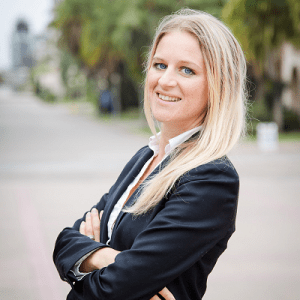
Emma_SeppäläEmma Seppälä, Ph.D is Science Director of Stanford University’s Center for Compassion and Altruism Research and Education and author of the recently published book The Happiness Track. She is a frequent contributor to Harvard Business ReviewPsychology TodayHuffington Post, and Scientific American Mind.

Emma, if you had to describe your book in a short analogy (“We’re the Uber for x…” or something like that): What would it be?

The hack for success without stress.

I’m a manager and reaaaaally busy. If I had time to read only one chapter: Which one would you recommend – and why?

Read the second chapter on how to build your resilience. We believe we need high levels of adrenaline to get things done – so we over-caffeinate, over-schedule ourselves, and wait until the last minute to get things done. The result is not productivity, it’s burnout which is why we’re seeing 50% burnout across industries, 80% of doctor’s visits due to stress, and 75% of the American workforce disengaged. You can’t talk yourself out of stress but there is something you can do at the physiological way that will help you manage your energy, be more productive and emotionally intelligent, and be resilient in the face of the pressure and demands coming your way – cultivating physiological resilience. 

In all these years of studying Positive Psychology: What is the one scientific finding that intrigued you the most?

The finding that has intrigued – and inspired – me the most is that the best kept secret to happiness is to give it away. By uplifting others, supporting them, helping them and living a more compassionate life, not only will you be making everyone else happier, you will be happier, healthier and live a longer life too. It’s win-win!

Thank you very much and best of luck with The Happiness Track!

U.S. Researchers are lucky – as the top-tier Universities are very strong Brands

This is a little off-topic – but over the last days, I came to realize how much easier it appears to be for top (psychology) researchers in the U.S. to “create buzz” around their research and/or book publications compared to their German colleagues.

Over the last weeks, a couple of researchers in the field of Positive Psychology and adjacent whom I am loosely acquainted with (e.g., Adam Grant, Scott Barry Kaufman, and Emma Seppälä) or whom I would like to be loosely acquainted with (e.g., Amy Cuddy – we´re following each other on Twitter; I guess that doesn´t count…) have published new books (Congratulations to all of you!):

Because a) these are all fabulous books; b) they all probably have more than decent PR agents; and c) I follow a heck of a lot of Positive Psychology people on Twitter, Facebook, and LinkedIn my timelines are bursting with posts about their books (reviews, excerpts, and interviews). Now here´s the interesting thing – look at these headlines:

This is a random sample. Even though – from my perspective – Adam Grant has become a sort of personal brand, and Amy Cuddy is well on her way to becoming one (there´s not too many social psychologists who get air time on the Late Show with Stephen Colbert), very often the research is marketed via the university they are affiliated with.

So, it´s clear that these institutions over time have managed to become strong brands. Their names validate and even amplify the messages publicized by their faculties. That’s a really cool thing!

Now, if you are from the U.S. you might say: Duh, tell me something new. But seen from a German perspective, this is really remarkable – because (currently) this would never work over here. You just won’t see a headline along the lines of “A Humboldt University of Berlin Researcher says X” – because the names of the universities do not really add any credibility to the message (at least not in the realm of psychology; with, e.g., engineering, it might be a slightly different story).

As a side note: I have not seen that many headlines featuring my MAPP alma mater, UPenn (with Wharton Business School being the exception). Maybe, it’s time for some more brand-building here?

Stanford_Psych

Positive Psychology News Digest on Mappalicious | No. 1/16

I´ve decided to start a new category of blog articles on Mappalicious. Once a week, I´m going to post a news digest listing the most interesting articles on Positive Psychology and adjacent from the past week. That’s it, clean and simple. So here we go…


Positive Psychology | News Digest | Mappalicious