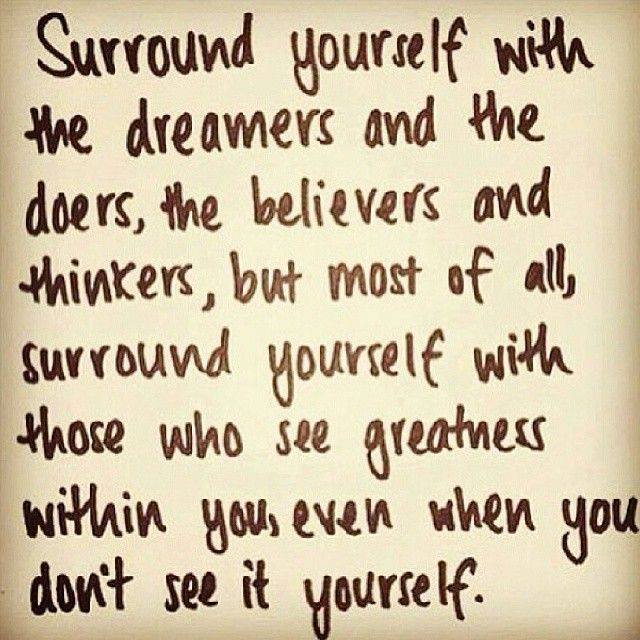
Found on the Facebook page of the Global Shapers organization, an initiative of the World Economic Forum
Found on the Facebook page of the Global Shapers organization, an initiative of the World Economic Forum
As we´ve entered the second semester of the MAPP program, the subjects have changed. To put it black & white: while the first semester was (mostly) focused on the theory of Positive Psychology, the second semester zooms in on the application in different domains (e.g. healthcare, coaching, consulting with organizations). One of the courses explicitly focuses on the value of the “humanities” (music, art, philosophy, history, etc.) for enhancing “the good life”. That´s why I´ve been writing so much about my love for heavy metal in recent posts.
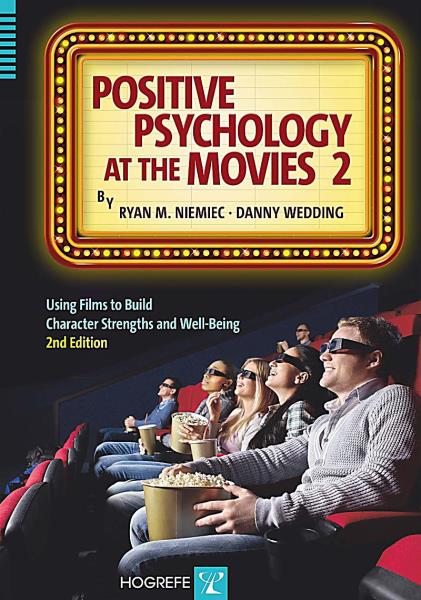 Now, a lot of people may not like to go the theater, opera, or museums that much. But there are hardly any people that do not like to go the movies. As such, I am thrilled that some researchers explicitly focus on cultivating psychological well-being, meaning in life, and similar “positive constructs” via watching the “right kind” of movies. One of those people is Ryan Niemiec who also was a guest lecturer at our January onsite period. He´s the author of Positive Psychology at the Movies – and also happens to be the director of the VIA Institute on Character.
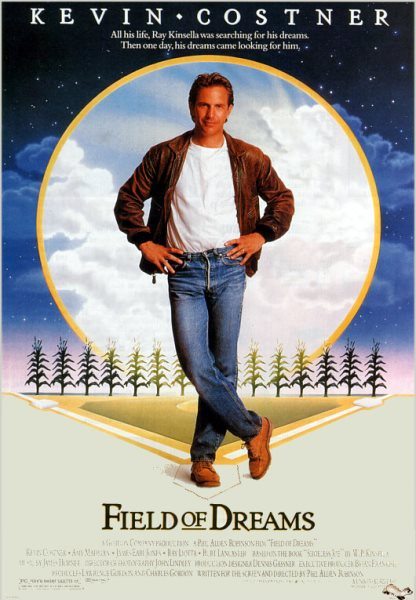 Drawing on the insights of this branch of Positive Psychology, from now on, we´re going to have a movie night once every onsite. Last night, lead by Marty Seligman, we watched Field of Dreams (1989) starring Kevin Costner. Now this film is not that well-known in my home country Germany because baseball is just not a big thing in our culture.* Even though, I tremendously enjoyed watching that film since – at the end of the day – baseball is just used an analogy for conveying ideas about callings, purpose, meaning in life, reconciliation, and finding peace of mind (and heart).
Actually, the whole plot very much reminded me of a psychotherapeutic method by the name of Family Constellations that has become a sort of “movement” in Germany, but is really not well-known anywhere else. I do not wish to expand on this here – but if you´re interested to know more about this: here you´ll find a concise scientific paper in English on the underpinnings and application of this method.
So, it´s Saturday. If you go to the movies tonight, why not put on those “positive psychology glasses” and e.g., look for the expression of character strengths in the protagonists?
* The only baseball player that I really knew about before watching the movie is Yogi Berra – who is quite famous for his brainy quotes (Yogiisms) such as: “Always go to other people’s funerals, otherwise they won’t go to yours.”
P.S.
Another valuable resource is the film index at cinematherapy.com.
Please have a look at this great blog post from a 2012/2013 Mappster:
Since the onset of psychology as an academic discipline at the end of the 19th century, it has been functioning on the premise of a disease model: most psychologists were mainly interested in what´s “wrong with people” – and then finding cures for all those wrongs. Which is fine, but … just not the only way looking at humankind. It took psychology about a hundred years to take on the opposite perspective: trying to find out what´s right with people. Together with a colleague, the late Christopher Peterson, Martin Seligman published the book Character Strengths and Virtues: A Handbook and Classification about ten years ago, which scientifically classifies and describes 24 human strengths based on six broad virtues.
In order to make their list, a character strength had to satisfy most of the following criteria. Character strengths should be:
The six virtues and 24 character strengths are:
(strengths that involve the acquisition and use of knowledge)
(strengths that allow one to accomplish goals in the face of opposition)
(strengths of tending and befriending others)
(strengths that build healthy community)
(strengths that protect against excess)
(strengths that forge connections to the larger universe and provide meaning)
Why should anybody be interested in his/her strengths? The rationale for finding out what our real strengths are is rather simple: Using our so-called signature strengths in daily life and work makes us happy – and most likely: successful. It makes us feel good about ourselves. It invigorates and energizes us. It´s the real deal…
You can find out what your signature strength are by taking a comprehensive scientific test on Martin Seligman´s website: the Signature Strengths Questionnaire. I´ve taken the test about a year ago – my main character strengths are:
You are curious about everything. You are always asking questions, and you find all subjects and topics fascinating. You like exploration and discovery.
You love learning new things, whether in a class or on your own. You have always loved school, reading, and museums-anywhere and everywhere there is an opportunity to learn.
Regardless of what you do, you approach it with excitement and energy. You never do anything halfway or halfheartedly. For you, life is an adventure.
You like to laugh and tease. Bringing smiles to other people is important to you. You try to see the light side of all situations.
You value close relations with others, in particular those in which sharing and caring are reciprocated. The people to whom you feel most close are the same people who feel most close to you.
 Mappalicious